The Phoenix desert is known for a large variety of hummingbirds. While we have one or two that frequent a nearby tree, we wanted to bring them in a bit closer. To keep this new hobby frugal, we acquired a used hummingbird feeder, and researched a homemade hummingbird nectar recipe. It's too easy not to share!
Homemade Hummingbird Nectar
Bring to a boil 4 parts water to 1 part sugar.
Remove from heat and let cool, stirring until all sugar is dissolved. *It is important to maintain the 4:1 ratio for the health of the birds (and to avoid attracting other animals and insects).
Pour the cooled nectar into your feeder!
I was surprised to learn that the nectar does not need to be red. Adding food coloring can actually harm the birds. As long as your feeder has some element of red (which can be as simple as a ribbon tied to the end), the hummingbirds will find it.
More than one site used a temperature chart to determine the frequency of replacing the nectar and cleaning the feeder in order to keep the birds healthy and prevent fermentation, mold, and/or attraction of insects:
149 - 4th grade students and parents in attendance
6 - teachers/staff
3 - days spent at the Grand Canyon National Park (South Rim)
2 - charter buses
4 - A.M. wake-up call to watch the sunrise on our final day
The field trip was a great success, but there are always lessons to learn and ways to improve. There are many things we will try to repeat for next year's trip, and there are a few things we'd change and recommend to others considering this field trip.
Successes:
NPS Travelin' Trunk Program: We reserved a box of materials about Human History of the Grand Canyon before our trip. This piqued students' excitement, and gave them prior knowledge to access once we arrived.
Keeping a full schedule (and opting not to include a quiet/nap time) - Any unstructured or idle time almost always guarantees mischief!
Watching sunrise on our final day - This was a controversial decision, mostly because the sun rises so early in May. We decided to make it optional, and were overwhelmed when nearly our entire group helped each other wake up, walk silently, and snuggle together to watch a glorious sunrise!
Reserving Ranger programs - The specific educational Ranger programs for school groups are FREE and align with state content standards. The Rangers are excellent teachers, too!
We used colored handkerchiefs to identify each chaperone group. This was helpful for quick head-counts for both teachers and chaperones. Students could tie them anywhere that was visible, which also gave them a chance to express themselves in a fun way.
Preparing student journals for the trip - We created activities/questions that had to be answered about our route and stops along the way. We also included the packet that was provided to accompany the Ranger programs.
Scavenger Hunt - There is so much to see at the Grand Canyon, and it is nearly impossible to see it all in one short trip. We included all the various historical and educational sites along the South Rim (with questions and info from the NPS website) in student journals. Groups could then decide which locations were most interesting (and feasible). Some groups even got to every stop! Afterwards, students from different groups could discuss what they saw and learned with others.
Chaperone committees - We couldn't have made the trip happen without lots of parent support. We had parents serve on committees for equipment, food, and safety to assist before, during, and after the trip.
Changes/recommendations:
Talk with campers about quiet hoursbefore arriving - It's important to keep our camp neighbors and Rangers happy when we are such a large and noticeable group.
Call ahead to discuss any plans to use the free shuttle buses. The park personnel were incredibly accommodating as soon as they saw 150+ visitors crossing the street to catch a bus for sunset. They ran at least one extra bus every day we were there just for us! I'm sure they'd appreciate a little more advance notice next time.
The successes clearly outweigh the changes, and we received lots of positive feedback from students and parents alike. We saw our entire 4th grade community come a little closer together for this trip, and a lot of fun was had by all. As for the teachers/staff, we feel a lot more confident about planning next year's excursion!
To continue our meandering closer to home, I set out to hike the popular Camelback Mountain. A year and a half ago, we set out to hike the less intense Cholla Trail with family, but ran out of time and and had to turn back before reaching the summit. This time, I would be hiking the more intense (and more crowded) Echo Canyon Trail.
ClimbCamelback.com describes Echo Canyon pretty succinctly: This trail is an intense and difficult anaerobic hike the entire 1.2
miles to the summit. It ascends 1,280 ft, from 1,424 ft above sea level
to 2,704 ft.
It was a warm spring day, and many folks were eager to take advantage of it. If you're looking to drive to the trail head, I suggest arriving early. Otherwise, be prepared to do some circles around the small parking lot, as it is usually full by mid-morning. Easier parking can be found on the Cholla Trail entrance.
This is definitely not a secluded or quiet hike, but it has beautiful views of the valley the whole way. The Echo Canyon Trail was recently renovated, and re-opened earlier this year. This video shows a few of the changes, and highlights a few of the views:
A few of my photos from the hike:
Saguaros were already in bloom!
Ridge views looking east on the steep trail up
Looking north from a false summit
Red sandstone of the desert valley
Panoramic views from the summit (1 of 4)
2 of 4
3 of 4
4 of 4
On the way down, we found a few critters who agreed to pose for a photo shoot.
The spring is a great time to be out and about in the Phoenix area. Cool mornings turn into "just right" warm days, lending to cool and calm evenings. Cacti are in bloom, as well as the rest of the desert's unique vegetation. What better time to check out the wildlife at the zoo?!
We visited the Wildlife World Zoo & Aquarium in the West Valley with a few kiddos, and were not disappointed. The zoo boasts over 600 species, including several interactive exhibits. The animals were very active during our visit, and we learned a thing or two from the live "Encounters" presentations.
A few photos of the zoo's inhabitants are sure to make you smile:
Many animals were brought in with injuries that prevent them from surviving in the wild.
Llamas and Alpacas... I always get them confused!
We were up close and personal with the big cats, and just missed a photo op. with the new White Tiger.
This guy's neighbor didn't finish her breakfast... waste not!
One of our favorite stops was being able to walk inside the tortoise exhibit with them!
While most of our holidays are spent with family back east, we had the opportunity for a special treat before departing. The town of Carefree, AZ puts on a delightful Christmas festival, complete with a light parade and SNOW. After wandering through craft and food vendors, we picked the perfect spot for watching the parade of community floats. We were all set with our homemade cider, camp chairs, and blankets. We had to laugh at ourselves, all "bundled up" for the near 60-degree temperatures! (Back east, we were used to many more layers and much more shivering for such an event!) That being said, it wasn't hard to find the snow play area, complete with a sledding "hill." Some of our favorite floats are included below, including hot air balloon baskets lighting the way!
This float prompted a lot of questions in the audience. It was built by the Eckankar religious community. We were curious, so we looked up more info about them here.
We were grateful for the few moments of warmth... and maybe a little nervous about the flame's proximity!
Last, but not least, Santa!
One of our favorite things about Carefree, is that it is still relatively... free. Neighborhoods are still full of desert vegetation and wildlife (contrasted with the suburban sprawl of other parts of the Phoenix valley), and we frequently catch a glimpse of a critter or two when we visit. Today's sighting - a coyote! This guy was just strolling along the side of the road as we pulled into the neighborhood!
We hope you have a truly "carefree," enjoyable holiday season!
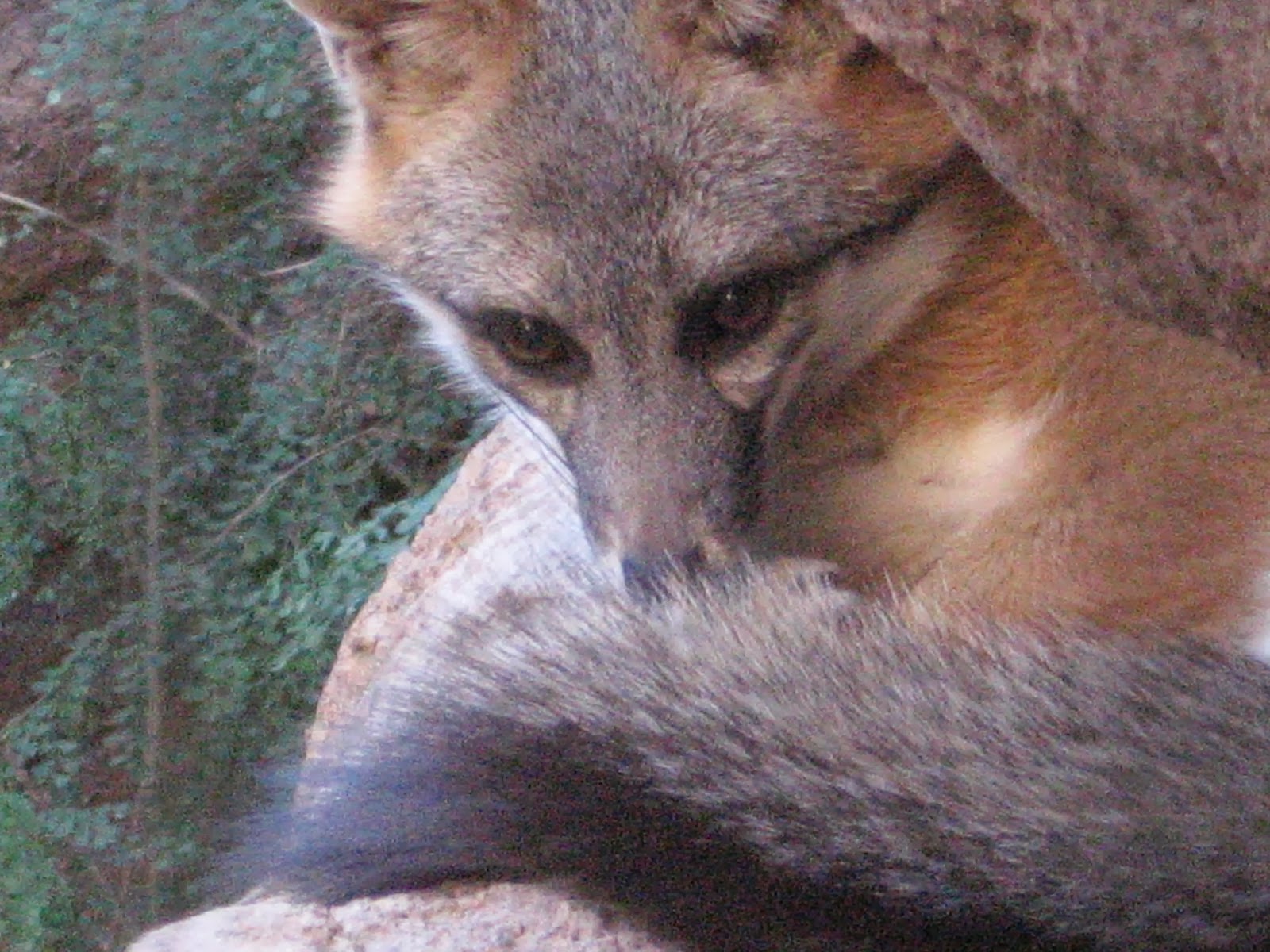
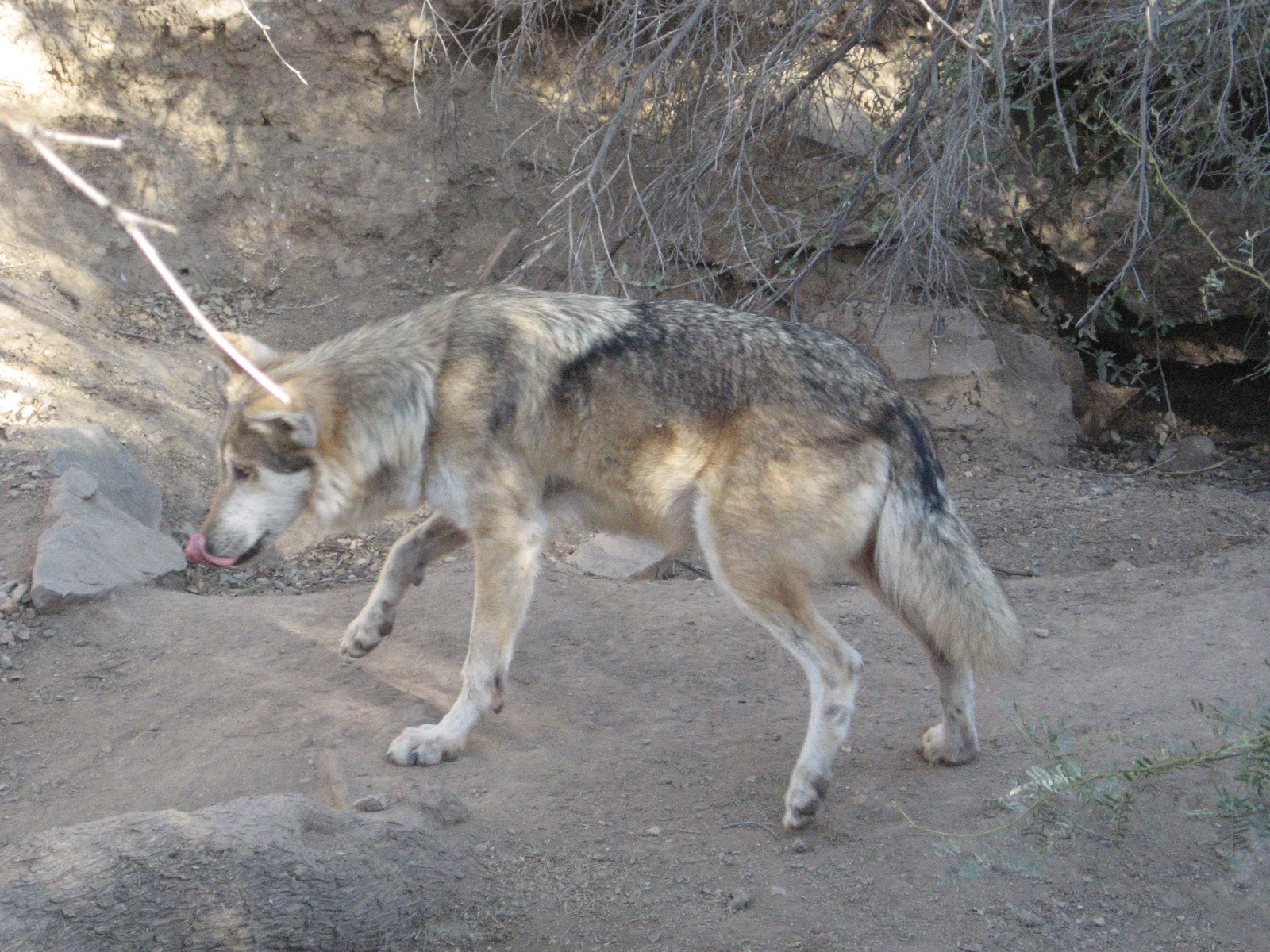
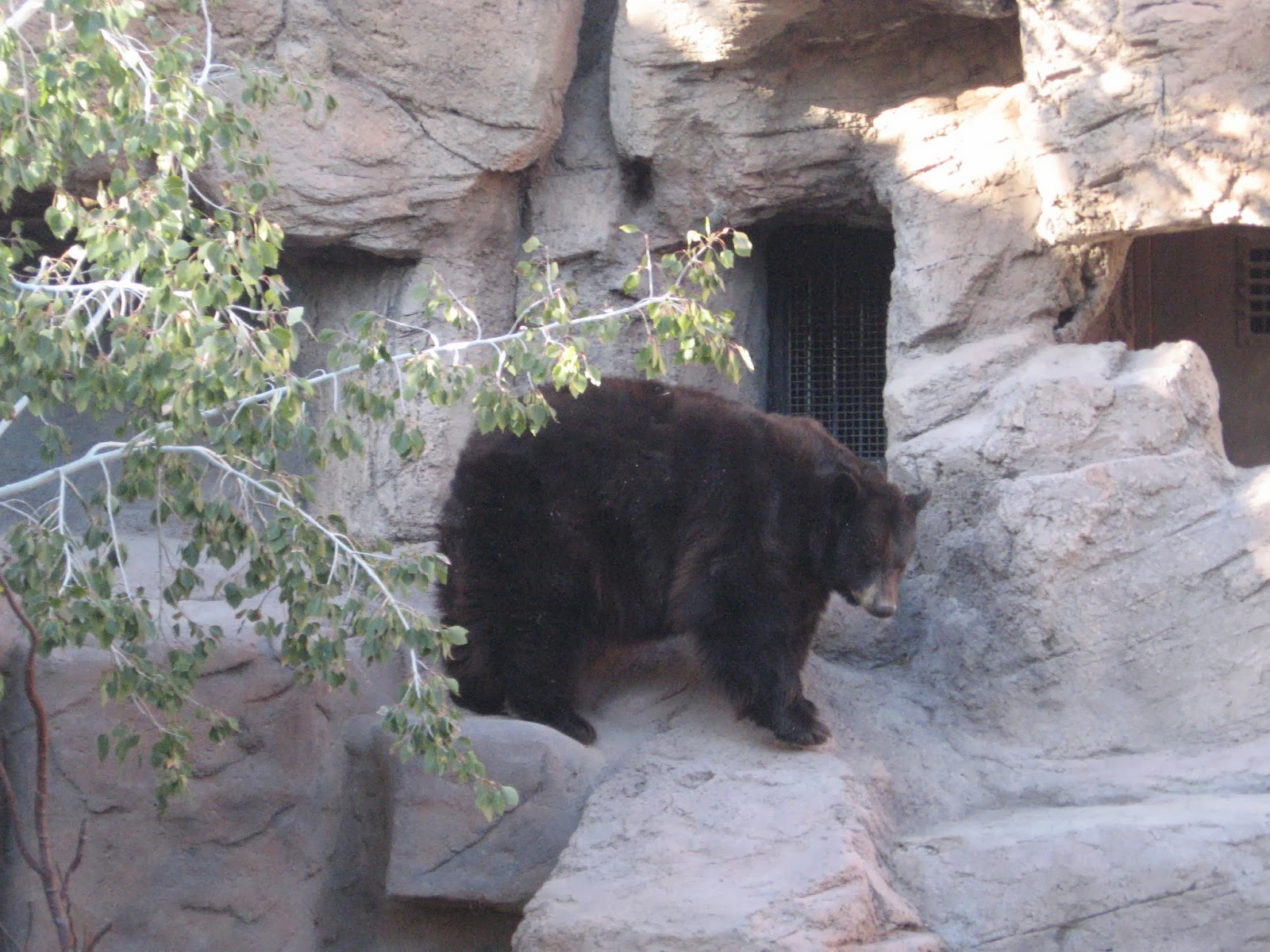
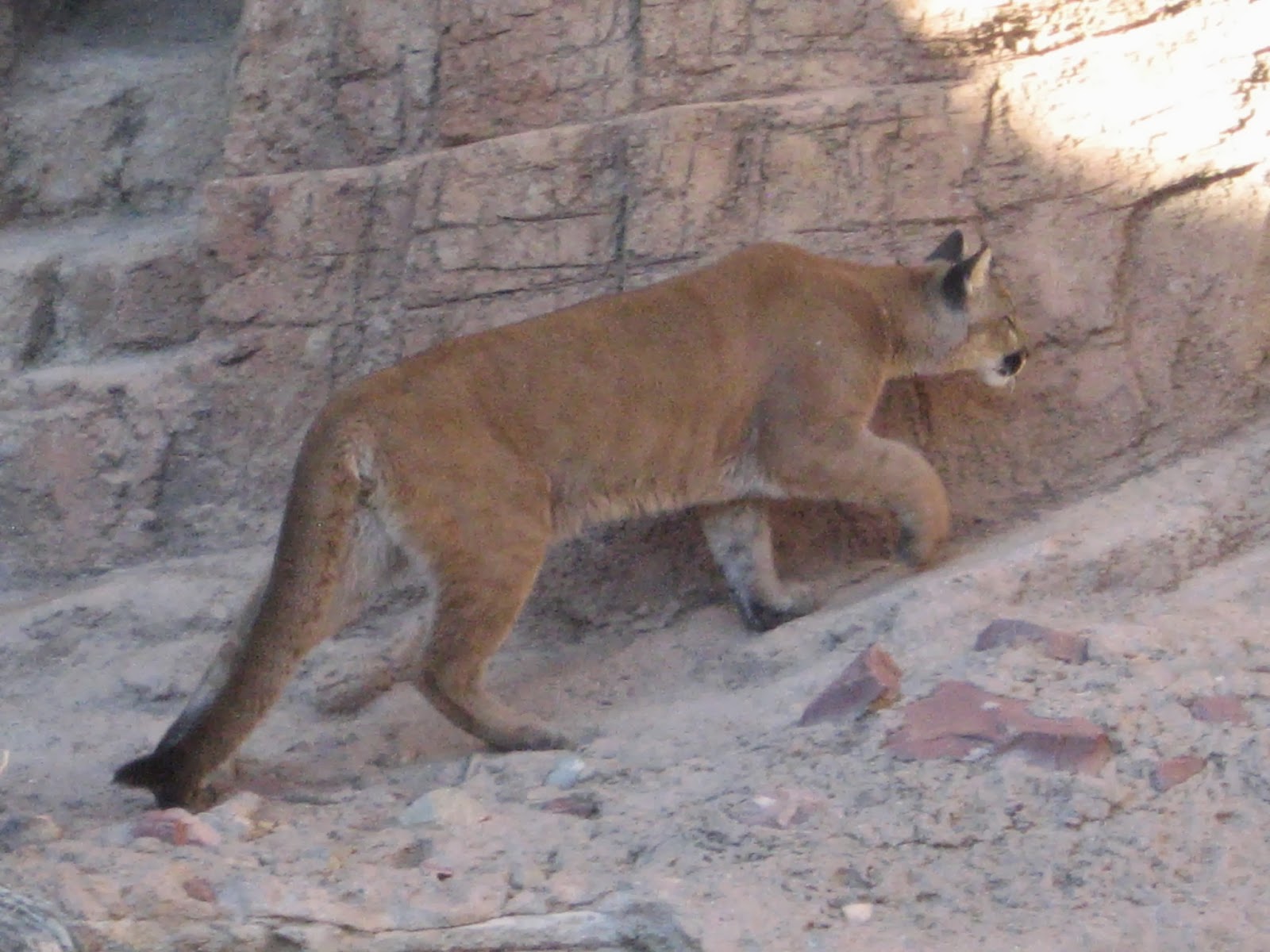
There's something thrilling about seeing coyotes, wolves, mountain lions, and bears roaming the same ground as the path under your feet (rather than behind glass, from a paved road or sidewalk). Touring the Sonora Desert Museum is like hiking a
desert trail, and being lucky enough to spot tons of wildlife. You can hike for years without
seeing even half of the wildlife that you see in one loop around the open desert there!
Desert Fox
Mexican Wolf
Black Bear
Mountain Lion
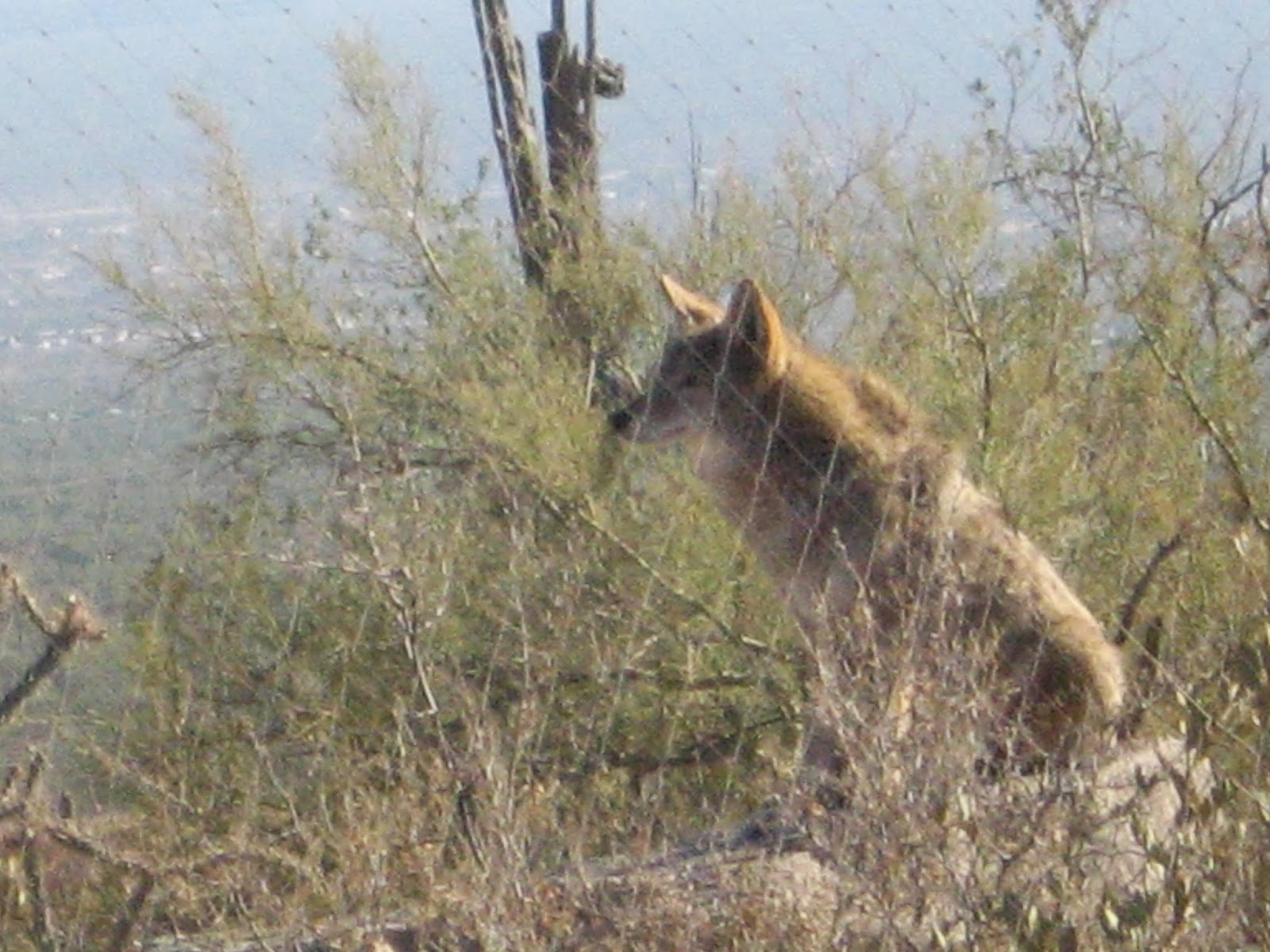
Coyote
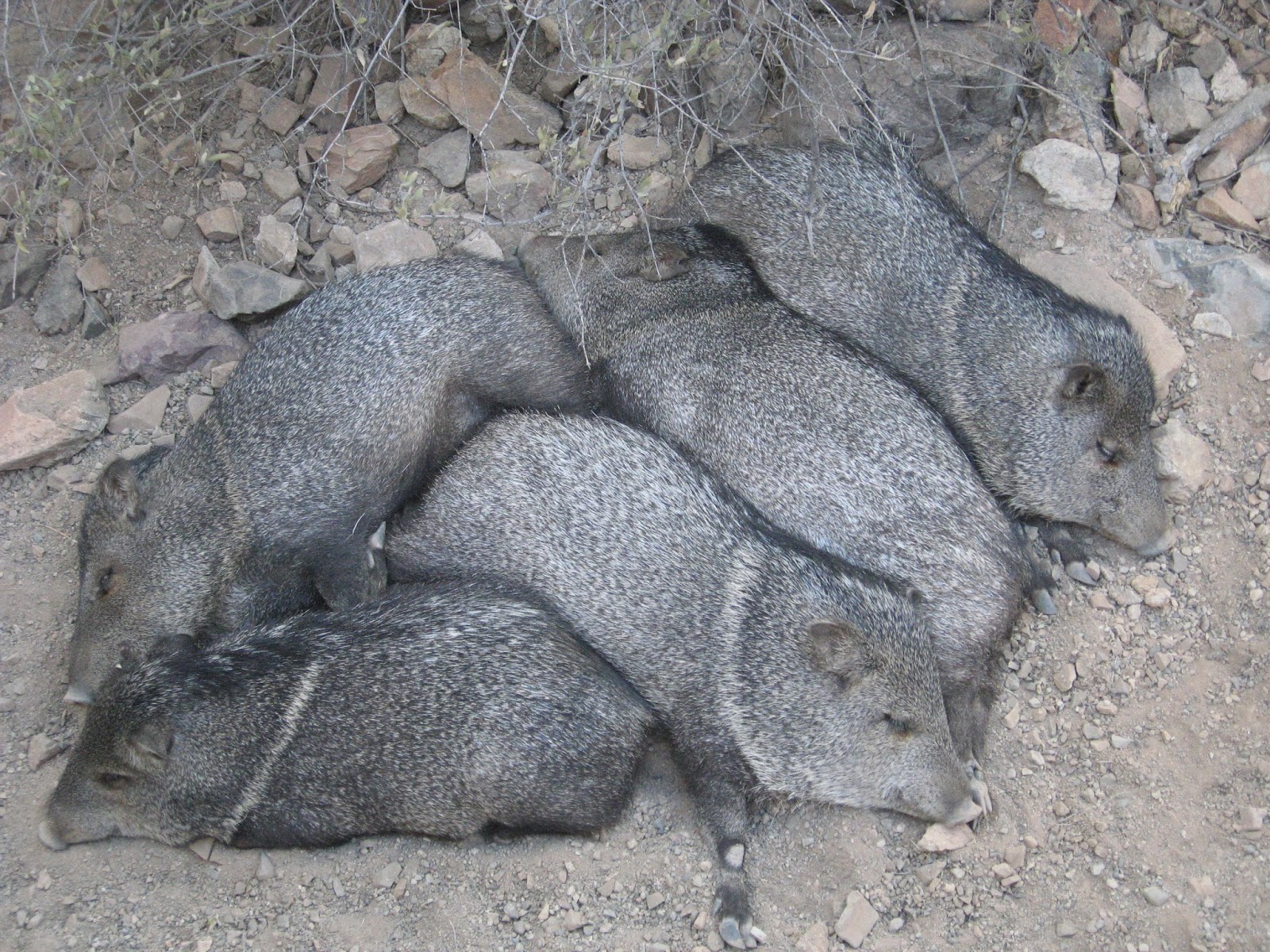
Javelina
We happened to arrive at the Museum just in time for their "Raptor
Free Flights." We followed the crowd, not really knowing what all the
excitement was about. It didn't take long before large predator birds were
swooping right above our heads, diving and soaring from one branch to another.
We learned a lot about birds of the desert, and, of course, got some really fun
photos!
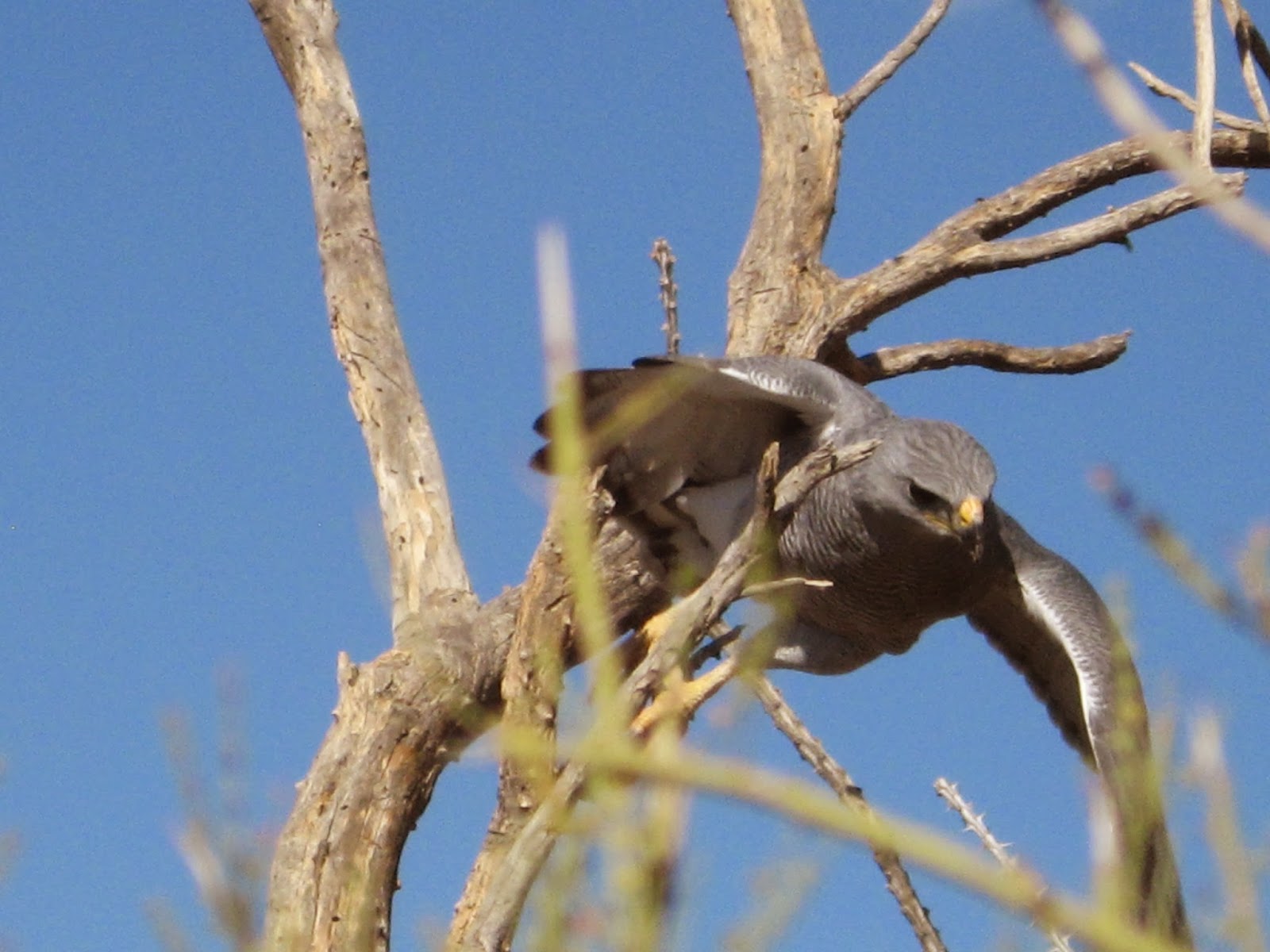
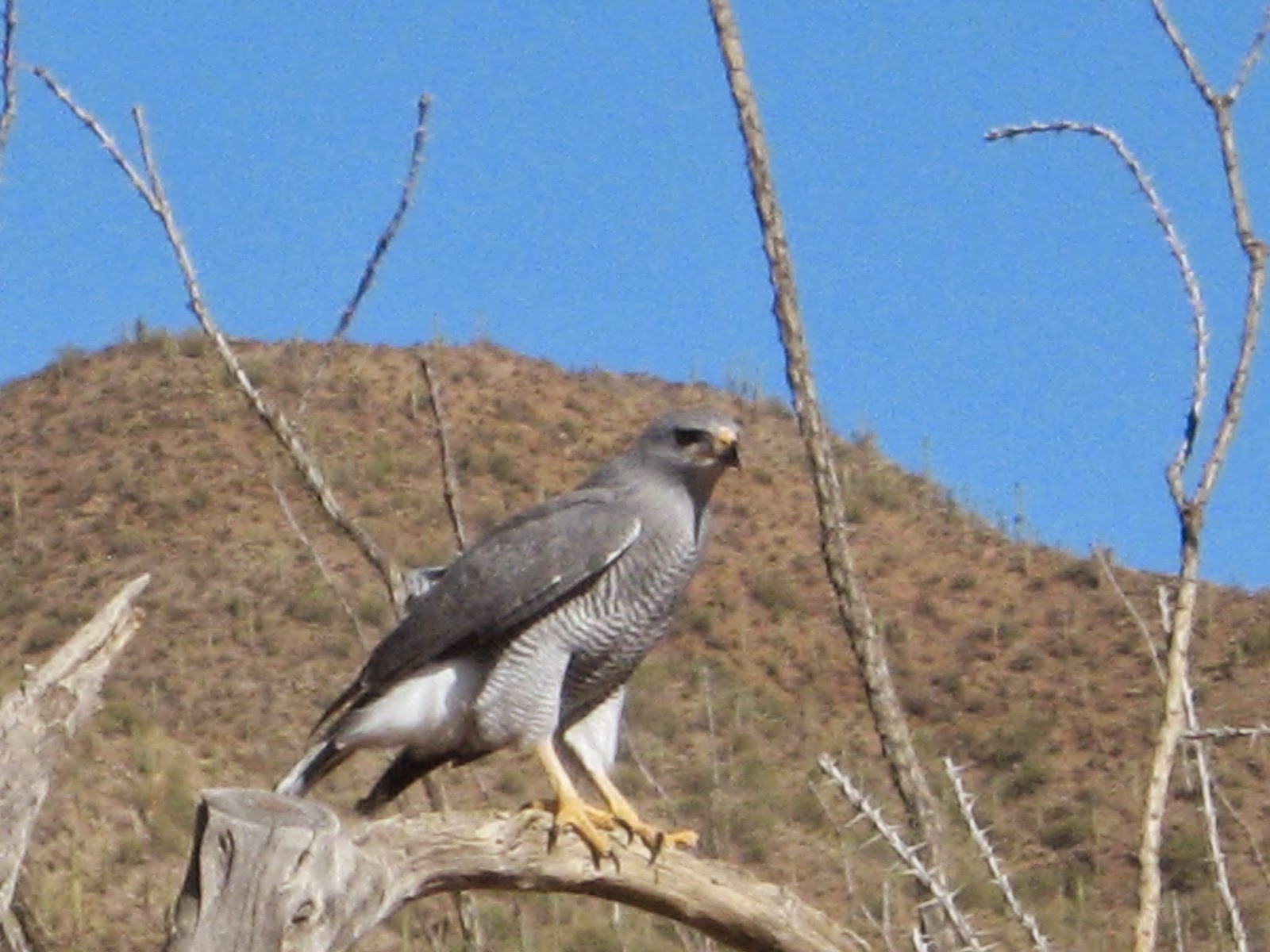
Gray Hawk
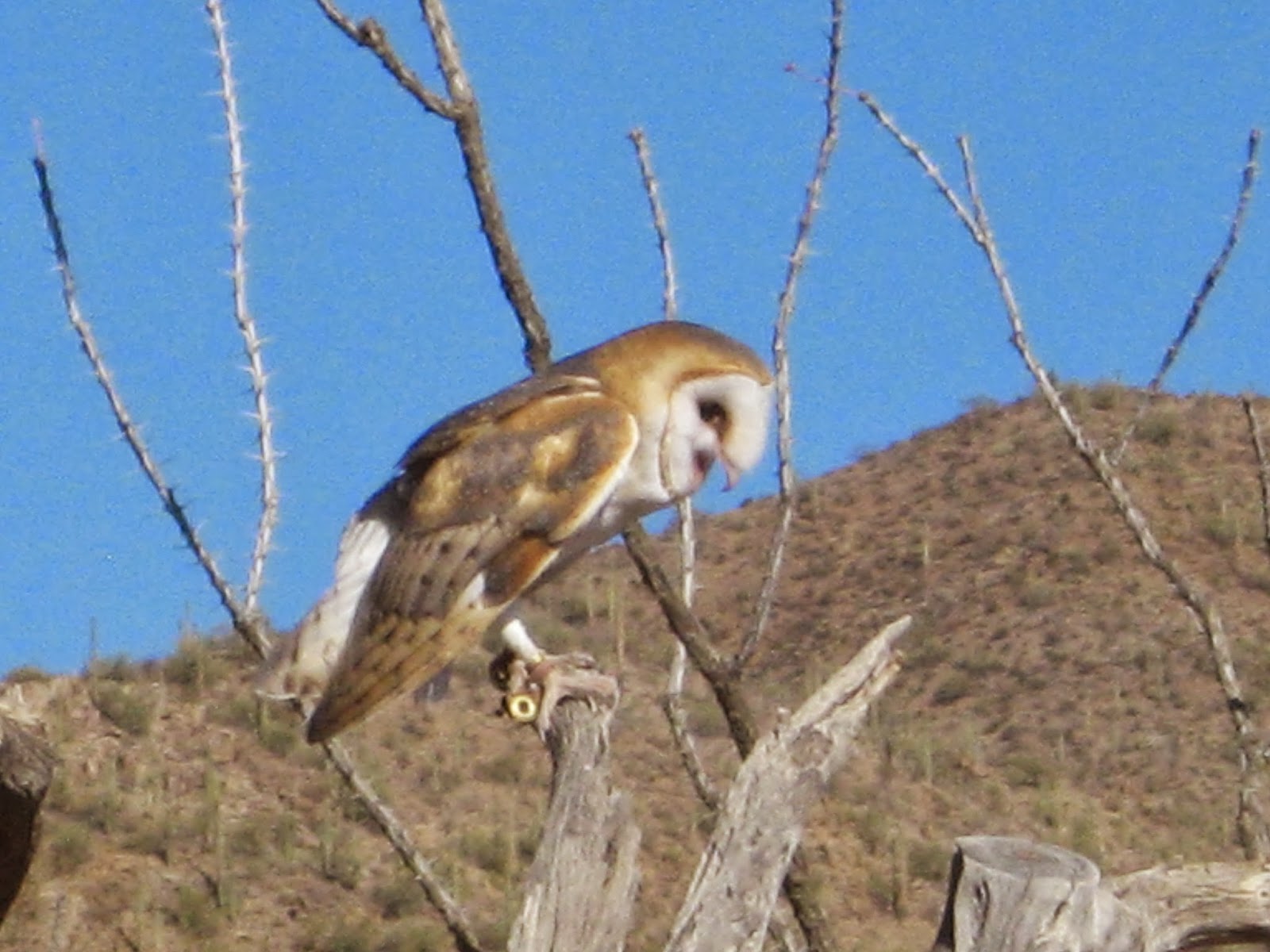
Barn Owl
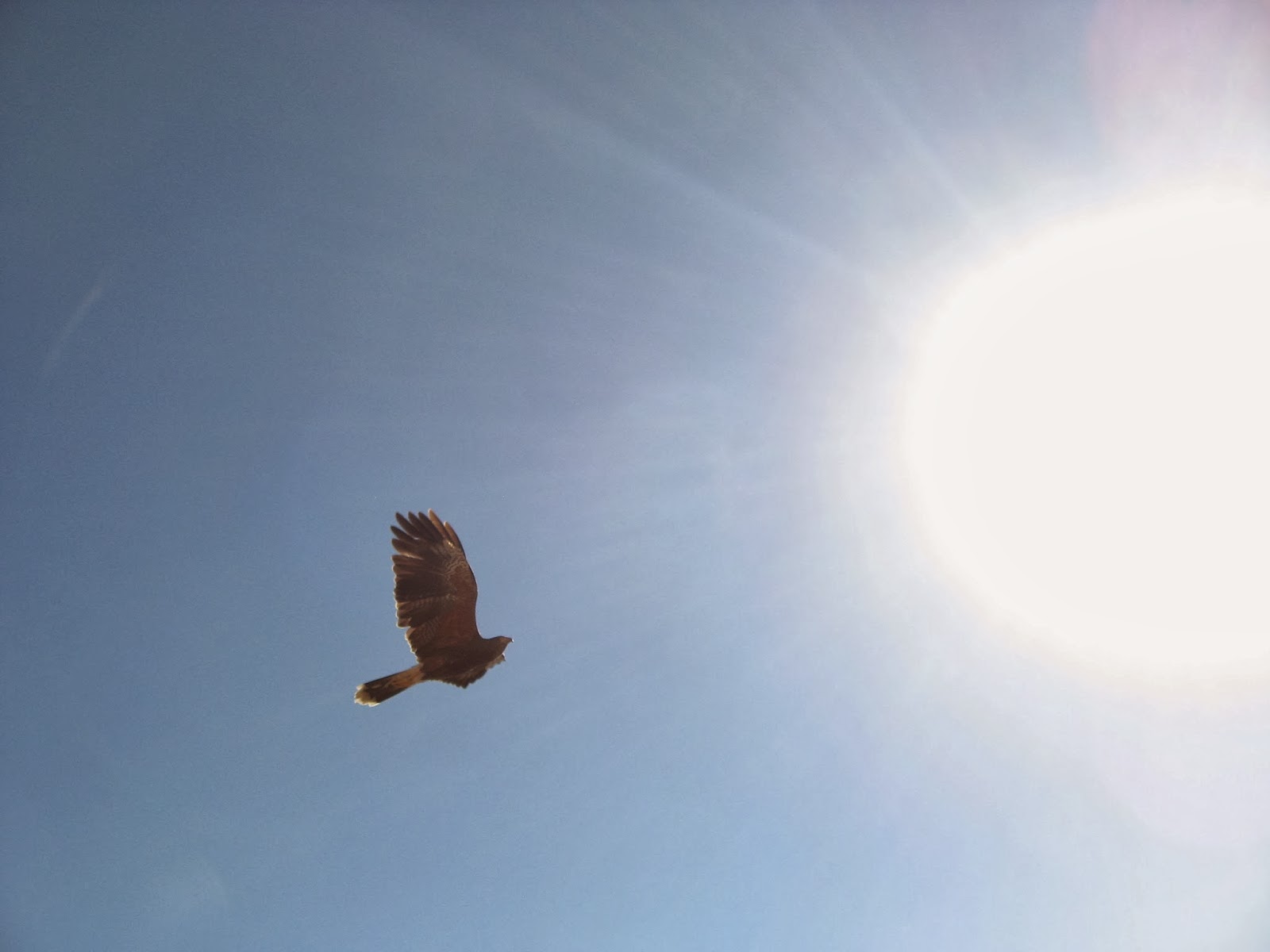
Harris's Hawks
Gray Hawk
Harris's Hawk
The Museum also has its own aquarium, which gave us close-up
views of creatures you're far less likely to encounter in the desert. We especially enjoyed the saltwater species from the Sea of Cortez.
Garden Eels
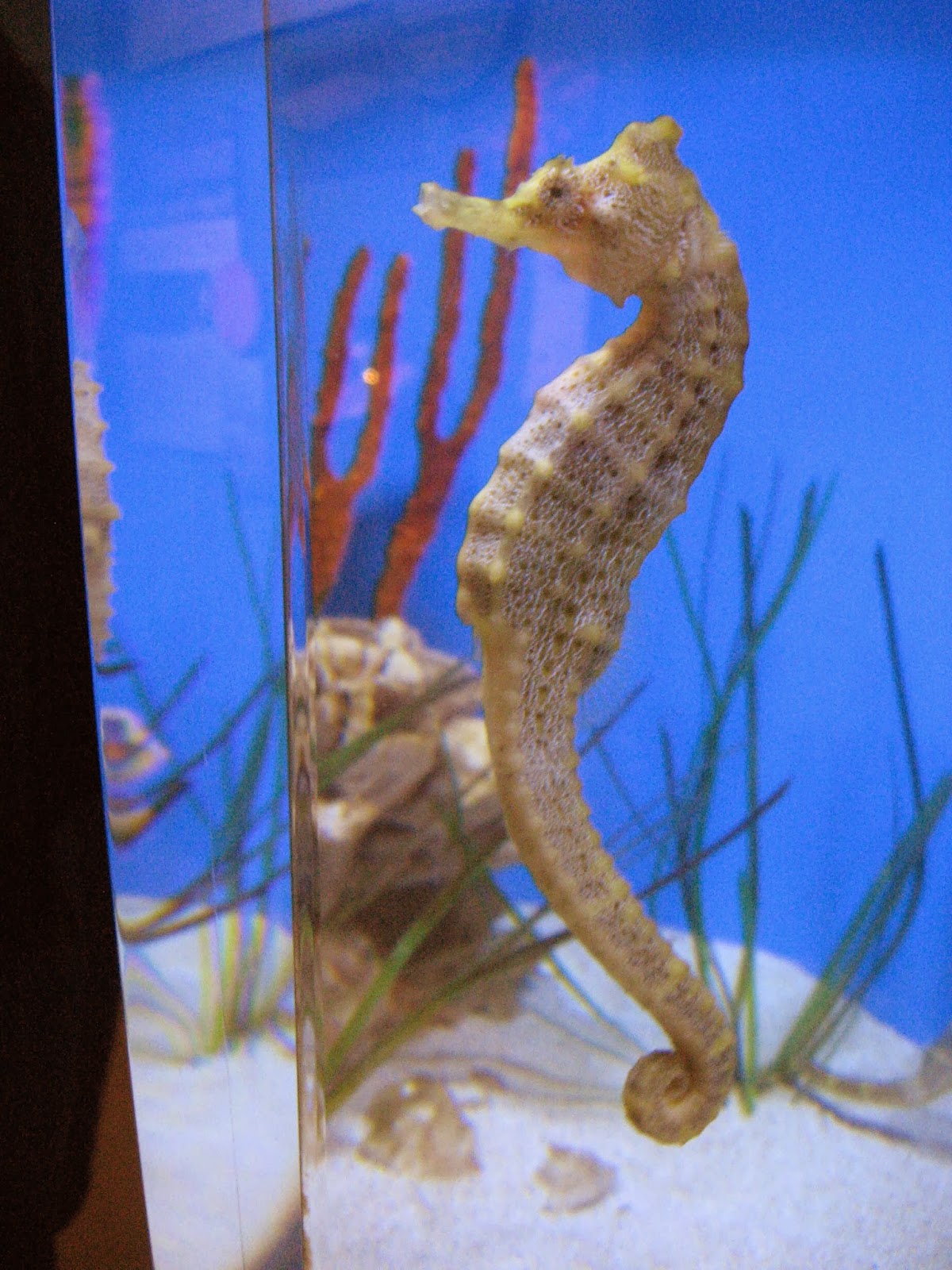
Pacific Seahorse
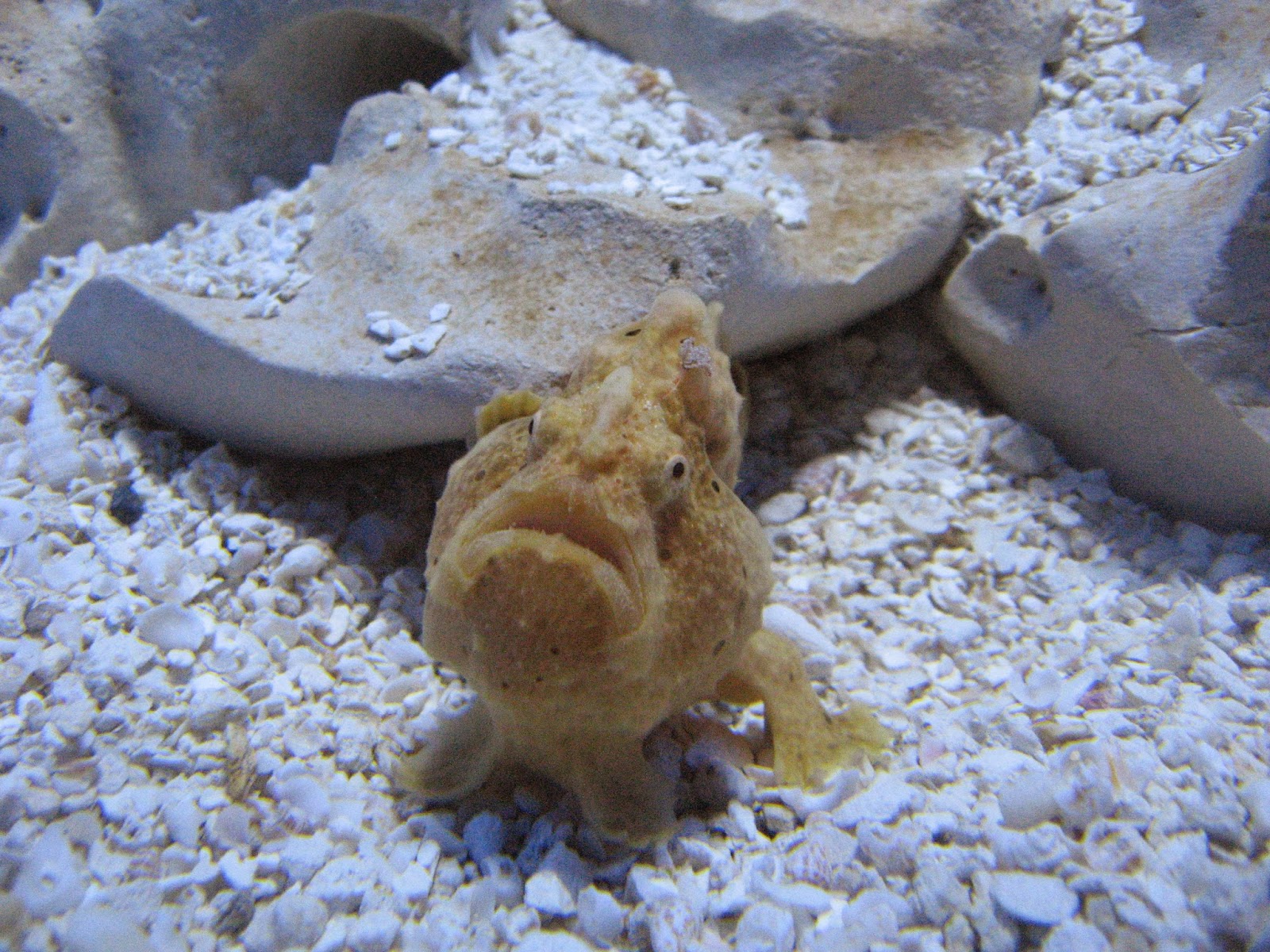
Can you identify this charming fellow?
If you're going to be visiting Tucson, the Sonora Desert Museum is definitely a must-see! It is certainly worth the price of admission, whether or not you get to attend a special program like the Raptor Free Flights. We arrived around mid-day, and stayed until it closed (it's a great spot for sunset!). We could have easily spent the entire day there exploring!